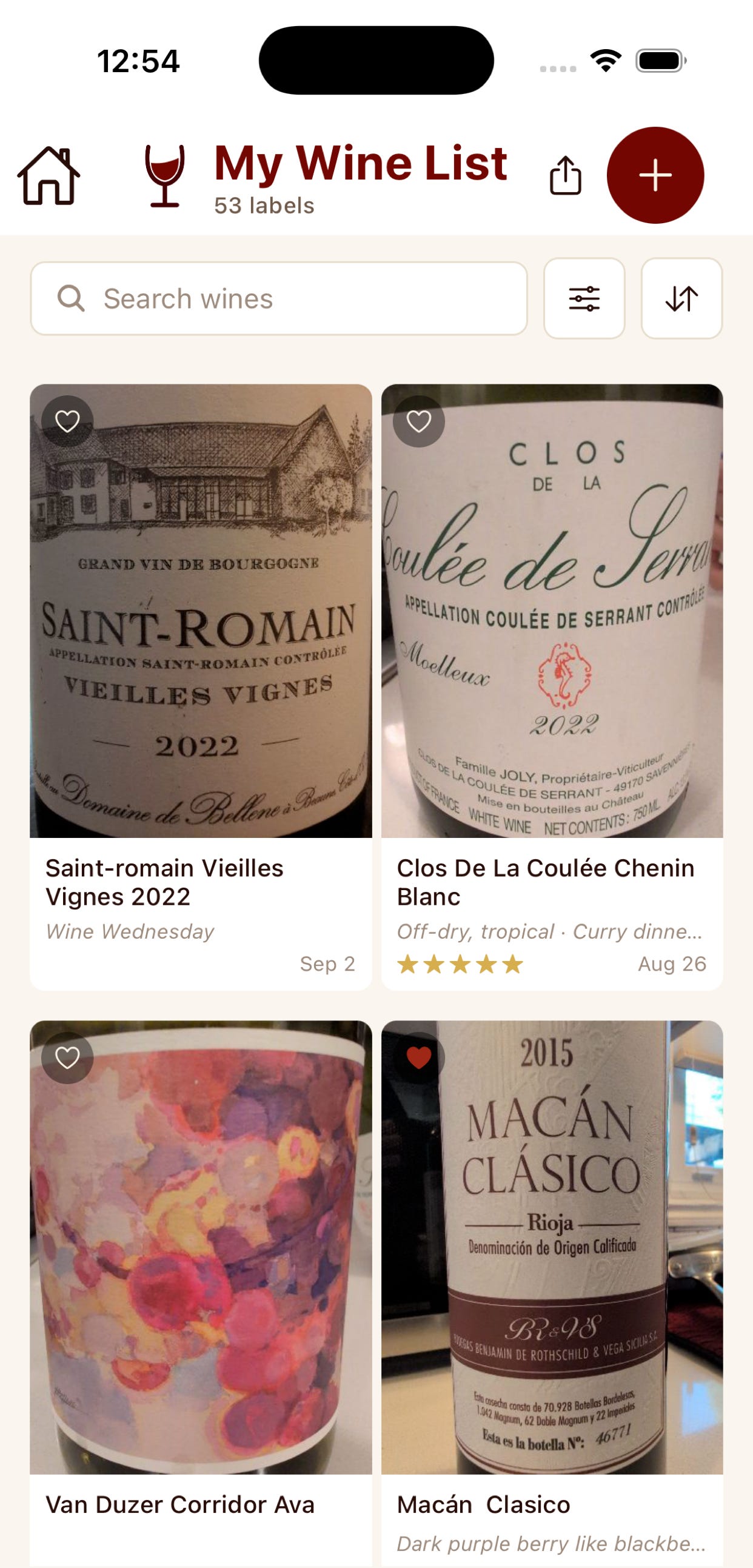

Krista and I like to open special bottles without waiting for a special occasion. She bought me an amazing birthday gift: a half-case of white Burgundy (she know’s me so well!). Last Wednesday, we opened a bottle of Saint-Romain. I’m definitely a novice in getting to know the wines from Burgundy, and I had neither tasted nor heard of the appellation — I still knew I was in for a treat.
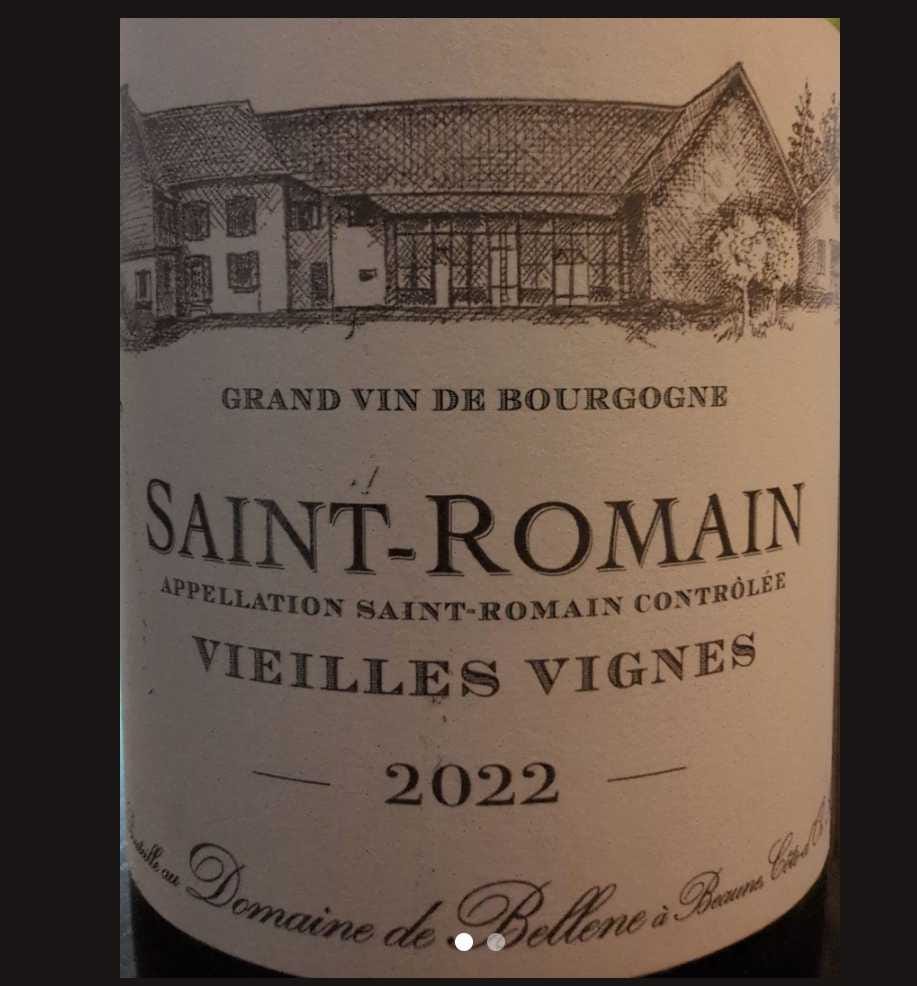
Saint-Romain sits a little apart from Burgundy’s famous villages. It’s higher up the slope than neighbors like Meursault and Puligny-Montrachet, so it is cooler and a bit overlooked. This bottle was the 2022 Vieilles Vignes, and as luck would have it, they printed their tech sheet on the back:
~2K ha of vines at a density of 10k vines/Ha
161-49C root stock of 55 year old vines
376m in elevation at a 10% grade (!) on clay/limestone soil
100% Malo-lactic conversion
it was picked on a Fruit day (for the biodynamic nerds among us)
In the glass it was pale lemon, with aromas of lemon, cream, yogurt, hay, toasted biscuit, and honeysuckle. On the palate: candied lemon peel, marmalade, pear, yellow apple, all riding on acid that stayed high straight through a medium-plus finish. By WSET standards it landed as “very good” quality, with real years still ahead of it.
The back label mentioned the wine had gone through 100% malolactic conversion. Everything I associate with full malolactic conversion (thick, buttery, movie-theater-popcorn flavor) was nowhere in this glass. The wine was racy. Creamy around the edges, sure, but nowhere near a butter bomb.
What malolactic conversion actually is
If the term is new to you: malolactic conversion (often called malolactic fermentation, even though it’s bacteria at work rather than yeast) turns malic acid into lactic acid. A YouTube explainer I found puts it about as simply as I’ve heard it: think about biting into a green apple, sharp and electric. Now think about a spoonful of Greek yogurt, tangy but soft and round. That’s the shift from malic to lactic. Bacteria, usually a strain called Oenococcus oeni, eat the sharper acid and convert it into the softer one, and along the way they produce compounds that add body and a creamier mouthfeel.
They also produce diacetyl.
Diacetyl, and why full conversion doesn’t mean full butter
Diacetyl is the compound behind that classic buttery Chardonnay smell. According to MasterClass, at low concentrations it reads as nutty or toasted. At higher concentrations, it becomes that unmistakable butter-popcorn character. How much of it ends up in the glass depends on citric acid levels, sulfur dioxide, temperature, oxygen exposure, and pH during the process.
I’d always assumed butter was the destination, the final form a wine reaches once malolactic conversion finishes. A winemaker actually has to intervene in order to retain the buttery character of a Rombaur because diacetyl is a mid-state. If the process runs its full course, the same bacteria that produced the diacetyl start consuming it again, converting it into other, less opinionated compounds. Stop the process early, right at the peak of diacetyl production, and you lock the butter in. Let it run all the way through, and the butter can fade right back out.
A second lever: sequential versus simultaneous fermentation
Most wine goes through alcoholic fermentation first, yeast converting sugar into alcohol, and only afterward gets malolactic conversion. That’s the sequential order. Winemakers can also choose to run both processes at the same time.
According to Oregon State University, doing them simultaneously can mean less diacetyl overall. Actively fermenting yeast create a reductive environment, and any diacetyl the bacteria produce gets converted quickly into acetoin and 2,3-butanediol, both far quieter than diacetyl on the nose. But simultaneous fermentation carries real risk. If the alcoholic fermentation gets stuck before finishing, the bacteria are left with leftover sugar, and instead of a clean conversion they can produce volatile acidity, the vinegary fault no winemaker wants in a finished wine.
If the goal is maximum butter, ferment sequentially with a high-diacetyl-producing strain bacteria and stop the process during MLC. If the goal is to avoid butter, co-ferment with a low-diacetyl strain of bacteria, or let the MLC sit for 10-14 days after it has completed the conversion of malic acid to lactic acid (another nerdy article from the experts at buttery chardonnay, Kendell Jackson). I have no idea which approach the producer of this particular Saint-Romain used, but it was definitely a good education that “100% MLC” on a back label is NOT shorthand for butter bomb. There is a whole host of decisions throughout the process that can result in very different experiences in the glass.
Rombauer, for contrast
If you want to taste the other end of this spectrum, pour a glass of Rombauer Chardonnay. It’s one of the most recognizable butter bombs in California Chardonnay: thick, rich, all vanilla and popcorn. Both wines, as far as their labels go, went through malolactic conversion. What happened to that conversion afterward is where they part ways completely.
Why Burgundy tends to land here
Chardonnay might be the most malleable grape in the world. Compare it to something aromatic like Riesling, which tends to announce itself no matter where it’s grown or how it’s handled. Chardonnay takes on the fingerprint of the winemaker and the place more than almost any other variety, oaked or unoaked, buttery or racy, tropical or flinty, all from the same grape. That’s how the same “100% MLC” claim can describe both a Saint-Romain and a Rombauer.
Burgundy has its own tendencies, too. Cooler growing conditions mean higher natural acidity to start with, which gives a wine like this Saint-Romain a strong acid backbone even after malolactic conversion softens it. And the region’s winemaking culture, historically lighter on heavy new oak (this one was only 10%), tends to let that acidity keep leading. None of this is a hard rule. But it’s a part of why French-style Chardonnay so often reads differently than New World, even when both wines technically did the same thing in the cellar.
The wine, and the company
I’m partway through my WSET Diploma, which means most of my tasting these days comes with a notebook and a list of questions I’m supposed to be answering. But some of my favorite wine moments lately haven’t been the formal ones. They’ve been nights like this Wednesday, sitting across from Krista with a bottle we were both genuinely curious about, going down a research rabbit hole together because one label claim didn’t match what was in the glass. Having someone who wants to get that nerdy about a bottle of wine with you is pretty wonderful.
This Saint-Romain still has years ahead of it. I’m already looking forward to hearing what its like next time.
Thanks for reading our Sip Notes! If you are as nerdy as we are about wine, you might be interested in downloading MySipNotes, now available for iOS and Android. MySipNotes is a personal wine catalog where you can snap a pic of a special bottle, mark which are your favorites, and add details, like tasting notes and who you shared it with.