


We were having an accidentally Chardonnay heavy dinner party, starting with Les Grands Blancs from Robert Moncuit, sliding into a 2022 Santenay from Domaine de Bellene, and ending with a 2017 Willamette Valley Chardonnay, the producer of which will remain nameless to protect the innocent. I was so confident in this producer that I opened the bottle and plunked it on the table without giving it a test first. Unfortunately, it seemed off from the first pour, but it made it into at least three glasses before someone said “huh.. that is nuttier than I expected.”
The colour was a dark gold (strike one), the nose was hazelnuts (strike two), which could have been forgiven if it had the rich, long lasting palate experience like a sherry or Jura Vin Jaune (this one was sour from the get-go — strike three).

Don’t get me wrong — I love an oxidative style. Classic white Rioja made from Viura is one of my favourites because it lends itself beautifully to that style. It’s gold and nutty, but the finish is as delightful as the style is deliberate.
Not so with accidental oxidation. It’s hard to say what went wrong with this particular bottle, but knowing this producer, I have pretty high confidence that the fault is limited to this particular bottle. I examined the cork and couldn’t find any obvious flaws or mold. It was stored in the same conditions as all the other wines from that year living in my cellar. So what went wrong?
Not enough Sulfur Dioxide? Oxygen is very destructive to the flavour and aroma compounds that make wine taste and smell fresh and fruity. Wine makers add trace amounts of sulfur dioxide throughout the winemaking process because sulfur dioxide can effectively remove the harmful effects of oxygen by binding it tightly.
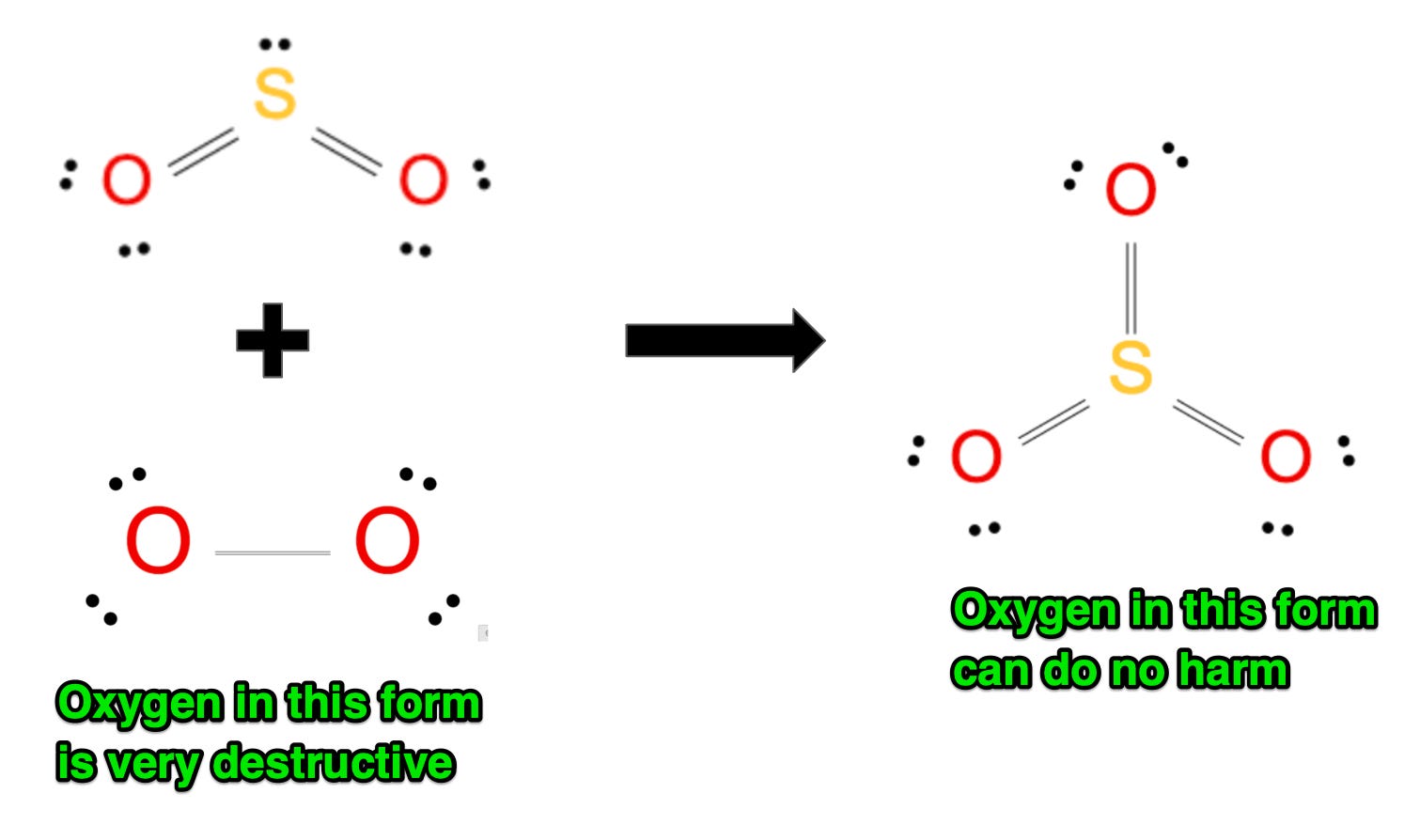
Maybe this particular bottle didn’t get its correct dose of SO2 before it was sealed up, leaving the free O2 molecules to wreak havoc.
No inert gas flush? Before bottling, winemakers will typically flush the bottle with an inert gas in order to remove more of the free oxygen available to prematurely age the wine. Could something have happened on the bottling line to skip one bottle during this protective treatment?
Incorrect storage conditions? Corks need humidity in order to maintain a good seal on the bottle. I don’t have a record of when this bottle entered my cellar, and I like to think that we treat every bottle with respect. Maybe this bottle was stored upright a little too long, causing the cork to dry out and allowing more oxygen to enter the bottle while it was sitting.
Bad cork? Natural cork can introduce a chemical compound (Trichloroanisole, or TCA) to a wine through a reaction with natural fungus. The impact on white wine is similar to red: a wet cardboard smell, and a lack of fruity or floral flavors. Not really the case with what seems to be premature oxidation, but we can’t rule it out entirely. Even a technically sound cork varies bottle to bottle in how much oxygen it lets through over time, so two bottles from the same case, stored identically, can age at different rates.
It could be any, all, or none of these reasons. Not even the wine makers could know what might go wrong with any single bottle. I do know that wine makers would prefer to know — and to remedy — if you receive a bottle that doesn’t carry the quality they expect to deliver. We’ve previously (and sheepishly) brought a bottle back to a winery when it was obviously corked and they were so grateful we did. Wine makers have little control over the experience of their product once it leaves their facility, so knowing if/when their wine is not meeting their quality standard can help them make different decisions for the future.
We aren’t bringing this bottle back, but I know they would gladly replace it if we did. We have collected a good amount of wine over the last decade, and we’ve been lucky to have encountered problems like these so rarely. Chalk it up to experience with the complexity of enjoying and collecting wine.